Why Following Up Wins More Jobs Than the First Call
Why Following Up Wins More Jobs Than the First Call
Speed matters — but what happens after the first response matters just as much.
Many businesses believe responding quickly is enough. They answer the phone, reply to a message, or return a missed call — and then they wait.
But here’s the reality:
Most jobs are not won on the first contact. They’re won during the follow-up.
--------------------------------------------------
Most Customers Don’t Decide Immediately
When someone reaches out to a business, they’re usually gathering information — not making an instant decision.
They might contact multiple companies, compare pricing, wait for callbacks, get busy during the day, or simply forget to respond.
Not because they aren’t interested — but because life happens.
And when time passes, the company that follows up usually becomes the one they trust.
--------------------------------------------------
The Business That Follows Up Usually Wins
Think about a typical customer.
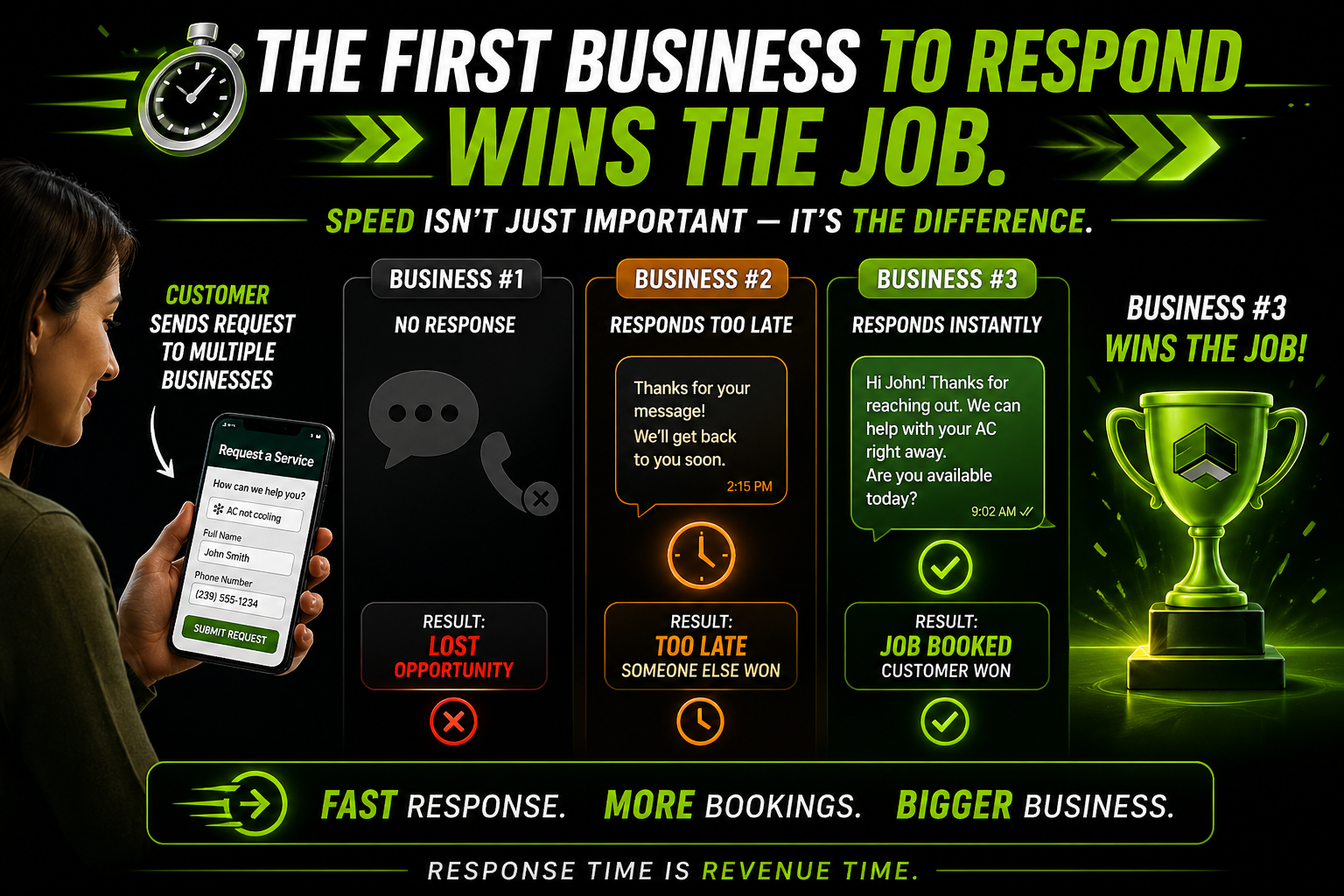
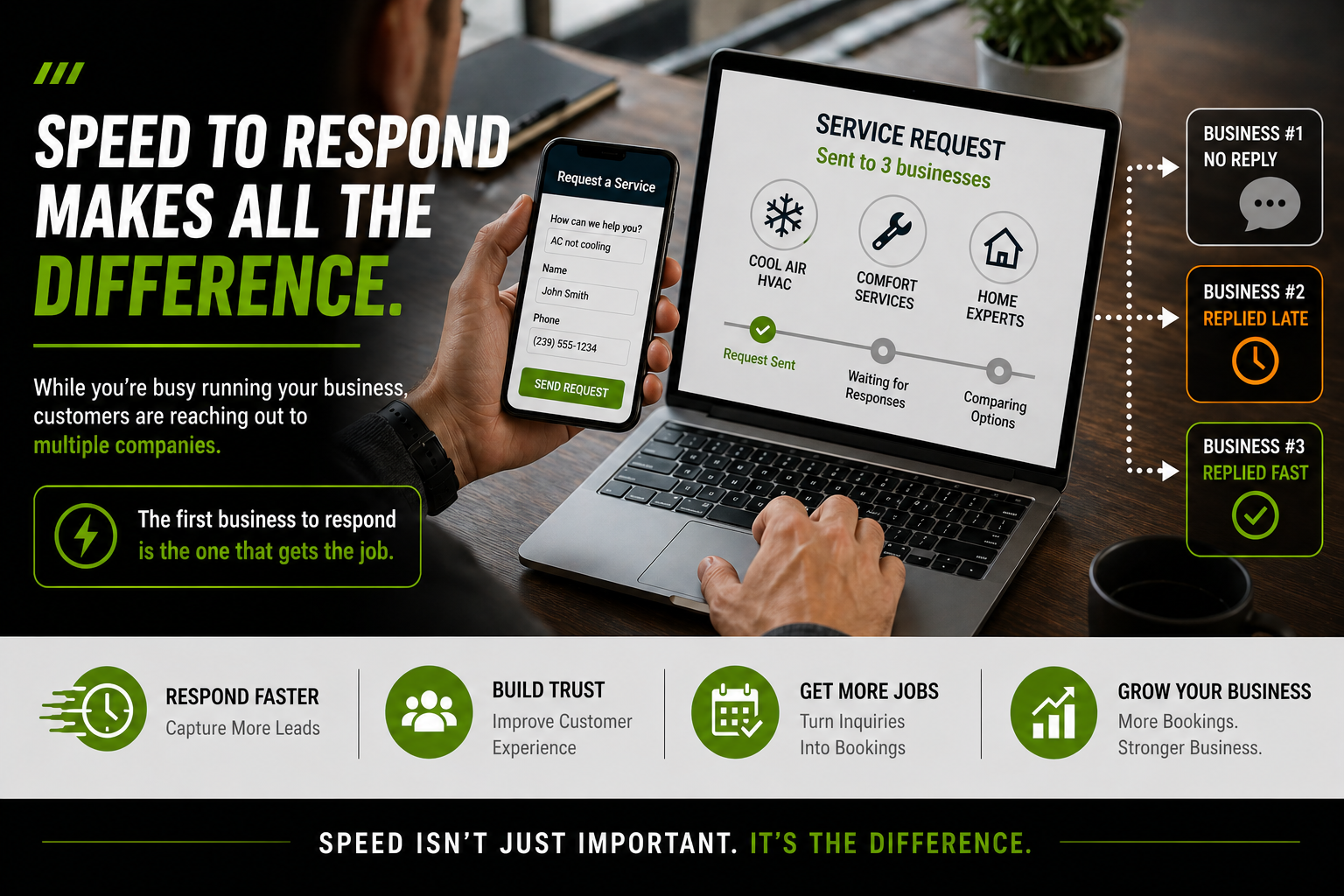
They call three businesses.
One responds once.
One responds late.
One responds quickly — and follows up later.
Guess which one wins the job?
Almost always the one that follows up.
Why?
Because follow-up shows reliability, professionalism, attention to detail, and commitment to helping.
Customers notice consistency — even if they don’t say it out loud.
--------------------------------------------------
Most Businesses Lose Leads Without Realizing It
Here’s something most businesses never see:
Leads don’t always tell you when they hire someone else.
They just disappear.
You don’t lose the job because your work isn’t good.
You don’t lose the job because your price was too high.
You lose the job because no one followed up.
That missed opportunity could have been avoided with a simple message or reminder.
--------------------------------------------------
What Smart Follow-Up Looks Like
Follow-up doesn’t mean being pushy.
It means being consistent and helpful.
Examples of smart follow-up include:
• Sending a message after a missed call
• Following up after sending a quote
• Checking in the next day
• Sending a reminder if no response is received
• Confirming details after a conversation
These small actions create big results and keep your business top of mind.
--------------------------------------------------
Why Follow-Up Often Gets Forgotten
Most businesses don’t ignore follow-up on purpose.
They forget.
Not because they don’t care — but because they’re busy running jobs, answering calls, scheduling appointments, and managing daily operations.
Follow-up becomes something they plan to do later… and later never happens.
--------------------------------------------------
Automation Makes Follow-Up Reliable
This is where automation makes a real difference.
Instead of relying on memory, automated systems can:
• Send follow-up texts automatically
• Remind customers about estimates
• Check in after missed calls
• Send reminders after quotes
• Continue communication without extra effort
That means leads don’t get forgotten — even on your busiest days.
Consistency is what turns interest into booked jobs.
--------------------------------------------------
Follow-Up Builds Trust — Not Pressure
Some businesses worry that follow-up will annoy customers.
But thoughtful follow-up does the opposite — it builds trust.
Customers feel reassured when they hear from you again. They feel confident that your business is organized and dependable.
Trust is what turns inquiries into paying customers.
--------------------------------------------------
The Real Difference Between Busy and Booked
Being busy doesn’t always mean you’re growing.
Being booked consistently does.
Consistent bookings come from:
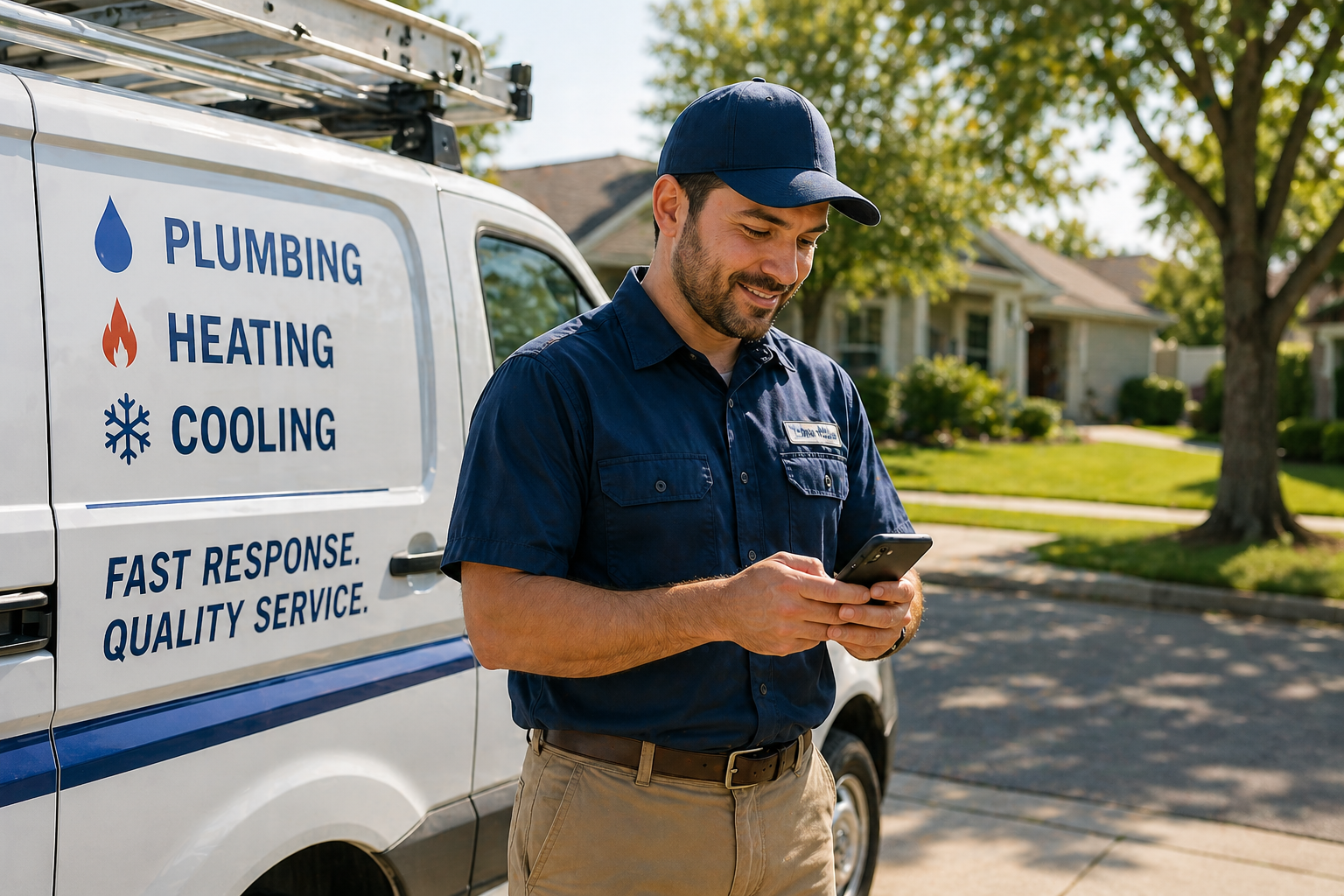
• Fast responses
• Reliable communication
• Consistent follow-up
Not luck.
Not guesswork.
Systems.
--------------------------------------------------
Final Thoughts
Responding quickly gets attention.
Following up wins the job.
If your business only responds once, you're likely leaving opportunities behind without even realizing it.
The businesses that win consistently aren't just fast.
They're consistent, professional, and reliable.
And follow-up is how they prove it.


